BharatPedia logo
BharatPediaIndian Civilizational Encyclopedia
📜 5,000 Years of Living Civilizational Memory

The Digital Encyclopedia of
Indian Civilization & Heritage

From the hydraulic docks of Lothal and the downward-carved basalt of Kailasa to the oceanic expeditions of Rajendra Chola and the fortifications of Shivaji. Illustrated, rigorously sourced, and aligned with UPSC Art & Culture.

Explore Temple Architecture →📖 UPSC GS-1 Study Guide
Chronological Continuum

5,000 Years: Civilizational Eras at a Glance

c. 2600 – 1900 BCE
Bronze Age Civilization

Indus Valley Urban Epoch

Grid town planning, subterranean drainage, Lothal tidal dockyard & Dholavira reservoirs.

Read Deep-Dive →
c. 1500 – 600 BCE
Iron Age & Vedic Period

Vedic Civilization & Mahajanapadas

Composition of Vedas, Upanishads, early republican polities (Gana-Sanghas) and rise of Magadha.

c. 322 – 185 BCE
Classical Empires

Mauryan Imperial Apex

Chandragupta Maurya, Kautilya’s Arthashastra, and Emperor Ashoka’s pan-Indian Dhamma edicts.

c. 319 – 550 CE
Classical Golden Age

Gupta Scientific & Cultural Renaissance

Sanskrit literature, Kalidasa, Aryabhata mathematics, Deogarh Dashavatara stone architecture.

c. 850 – 1279 CE
Medieval Maritime Empire

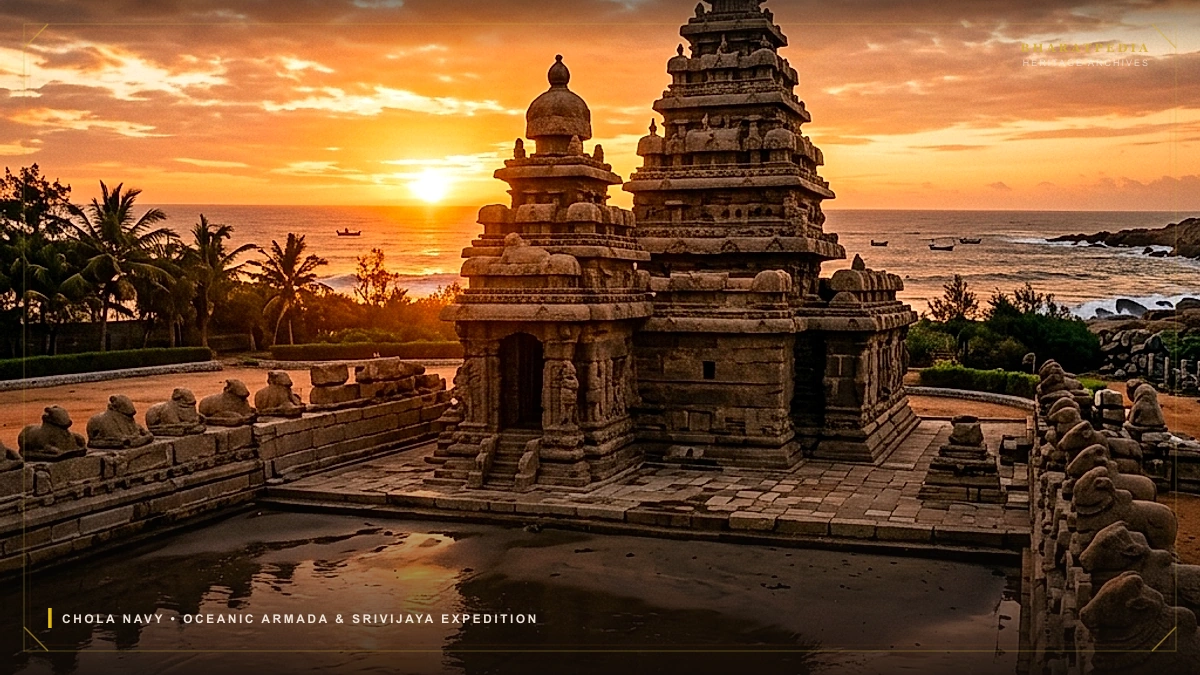
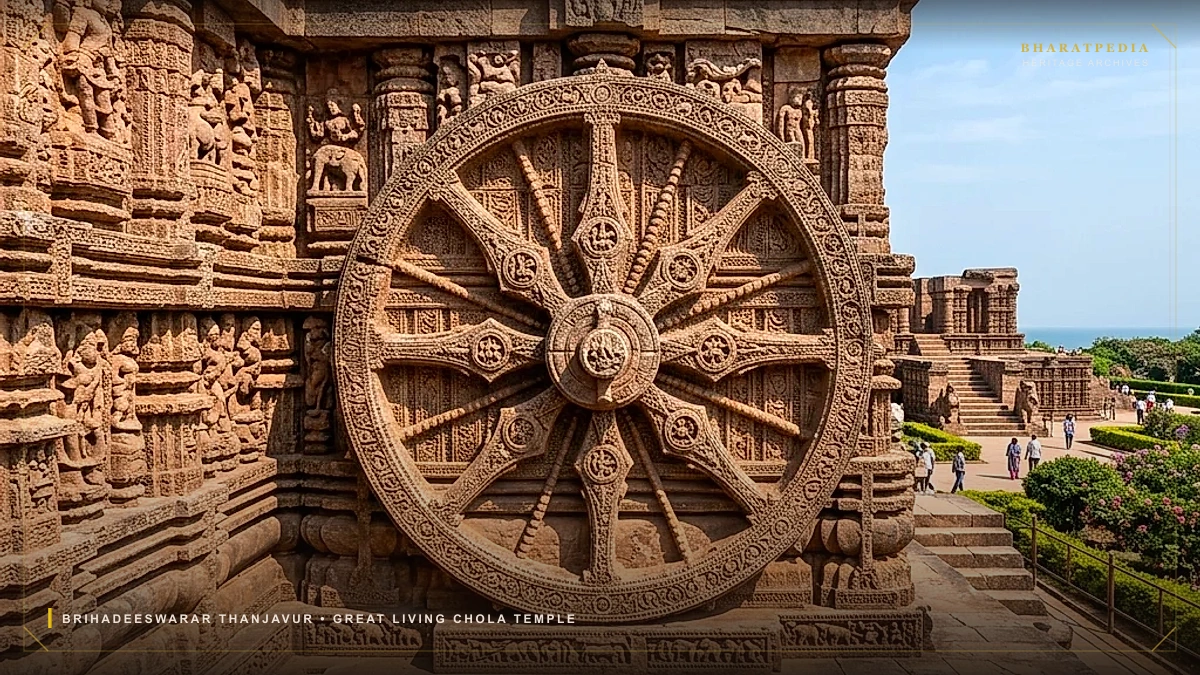
Imperial Cholas & Oceanic Dominance

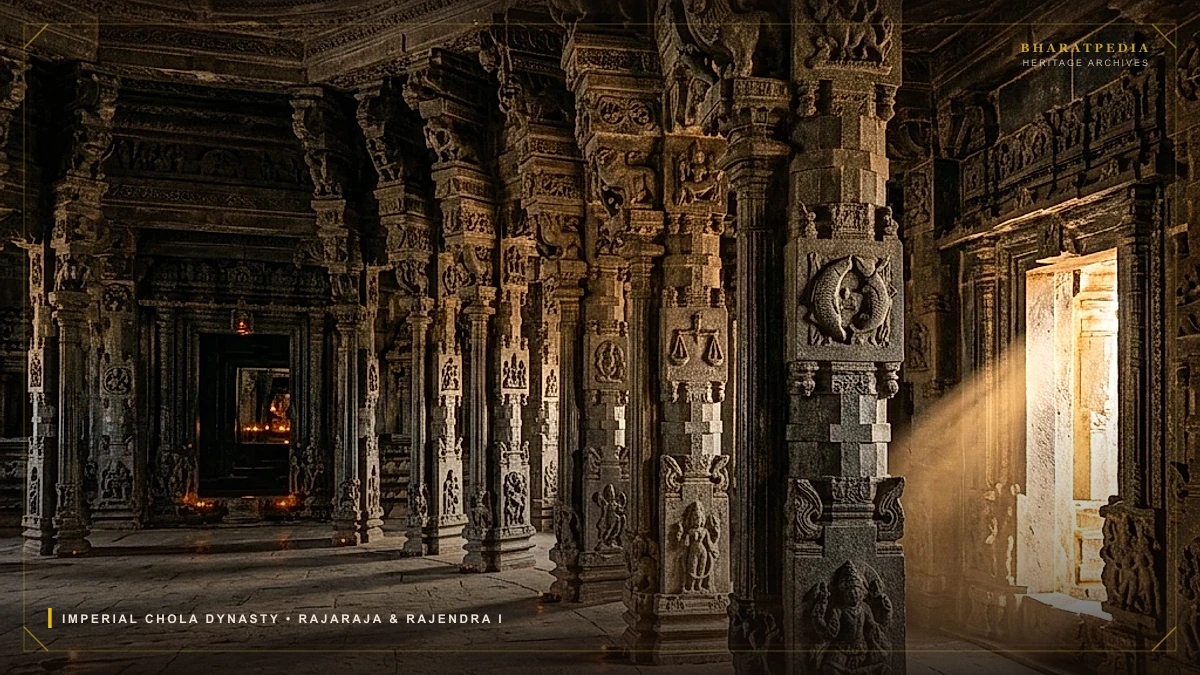
Brihadeeswarar Dravida vimana, bronze Nataraja casting, and naval expedition to Srivijaya.

Read Deep-Dive →
c. 756 – 774 CE
Rock-Cut Marvels

Kailasa Monolithic Epoch

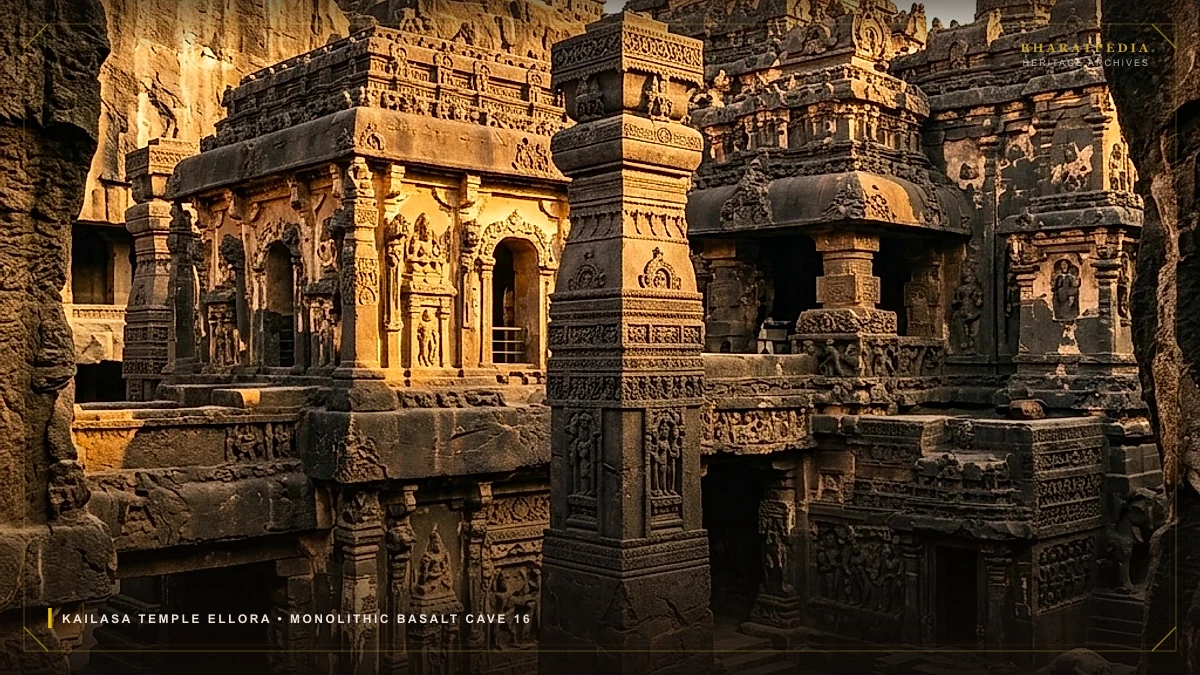
Rashtrakuta King Krishna I carves 200,000 tonnes of basalt downward to manifest Mt. Kailasa.

Read Deep-Dive →
c. 1336 – 1646 CE
Southern Bulwark

Vijayanagara Empire at Hampi

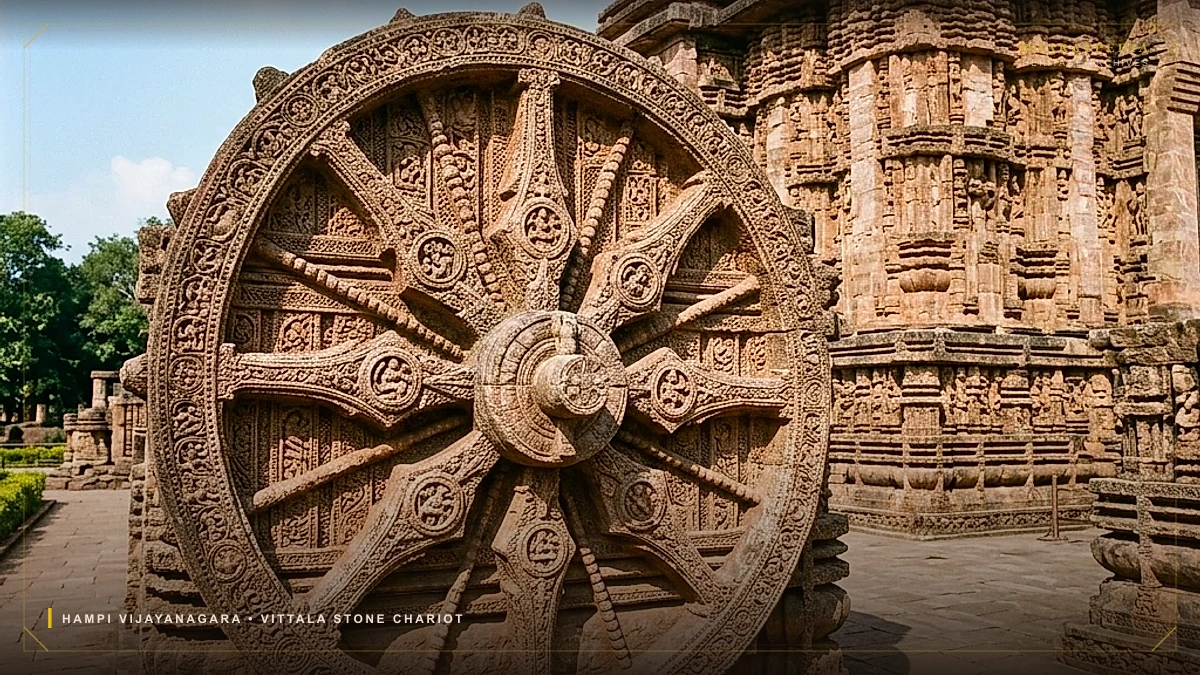
Krishnadevaraya, Virupaksha temple, Vittala stone chariot, musical granite pillars & vast city.

Read Deep-Dive →
c. 1674 – 1818 CE
Swarajya & Resistance

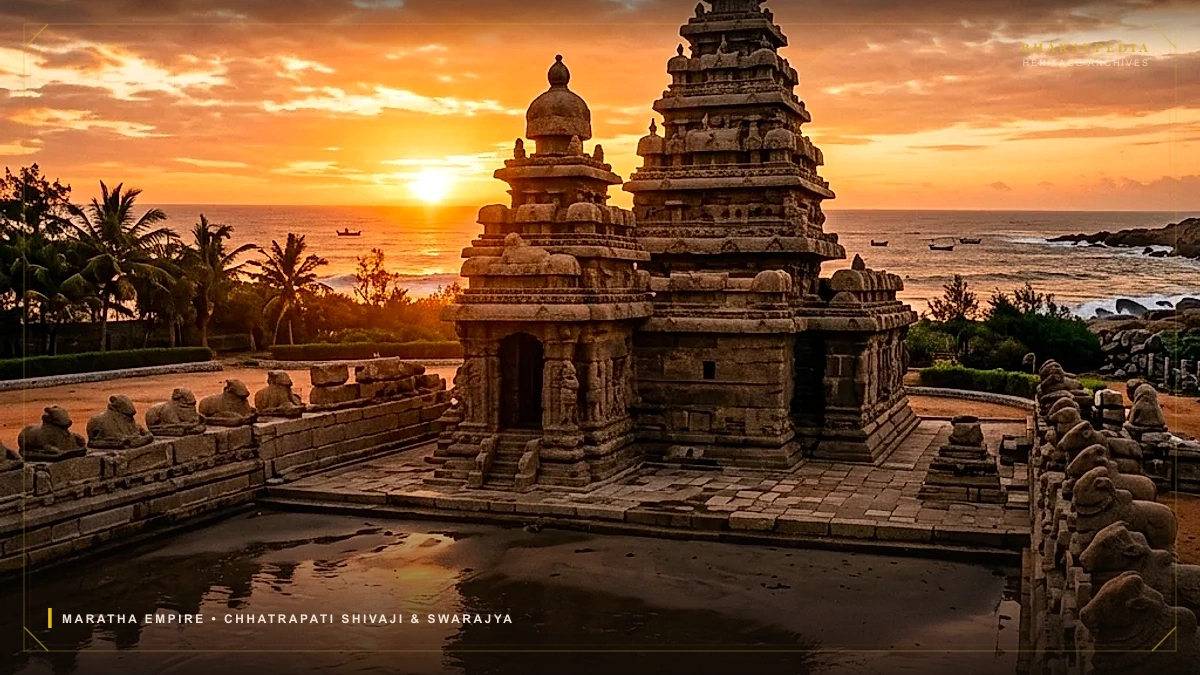
Maratha Empire & Maritime Forts

Chhatrapati Shivaji Maharaj, Ganimi Kava guerilla tactics, Admiral Kanhoji Angre’s naval fleet.

Read Deep-Dive →
1857 – 1858 CE
War of Independence

The Great 1857 Revolt

Rani Lakshmibai of Jhansi, Tatya Tope, Kunwar Singh, and the nationwide armed struggle.

Read Deep-Dive →
Pillar Research

Landmark Heritage Explainers

Browse Complete Inventory (13 Guides) →
Hampi: A Complete History & Architectural Guide to the Vijayanagara Capital
Monuments & Forts🌟 UNESCO World Heritage
⏳ 1336 – 1565 CE (Vijayanagara Imperial Capital)

Hampi: A Complete History & Architectural Guide to the Vijayanagara Capital

The complete guide to the UNESCO World Heritage site of Hampi: the rise of the Vijayanagara Empire along the Tungabhadra, Krishnadevaraya's golden age, the musical pillars of Vittala Temple, the monolithic Stone Chariot, and the Battle of Talikota.

📚 GS-1: Art & Culture📚 GS-1: Vijayanagara Architecture
⏱️ 14 min readExplore Guide →

More Architectural & Maritime Foundations

The Maratha Navy & Sarkhel Kanhoji Angre: Asymmetric Littoral Warfare in the Arabian Sea
Maritime History📜 Civilizational Milestone
⏳ 1659 – 1756 CE

The Maratha Navy & Sarkhel Kanhoji Angre: Asymmetric Littoral Warfare in the Arabian Sea

How Grand Admiral Sarkhel Kanhoji Angre defended the Konkan coast for 40 years: indigenous Gurab and Galbat war vessels, impregnable island forts like Vijaydurg and Sindhudurg, and asymmetric naval tactics against British, Dutch, and Portuguese armadas.

📚 GS-1: Medieval & Modern Indian History📚 GS-1: Maritime Warfare
⏱️ 12 min readExplore Guide →
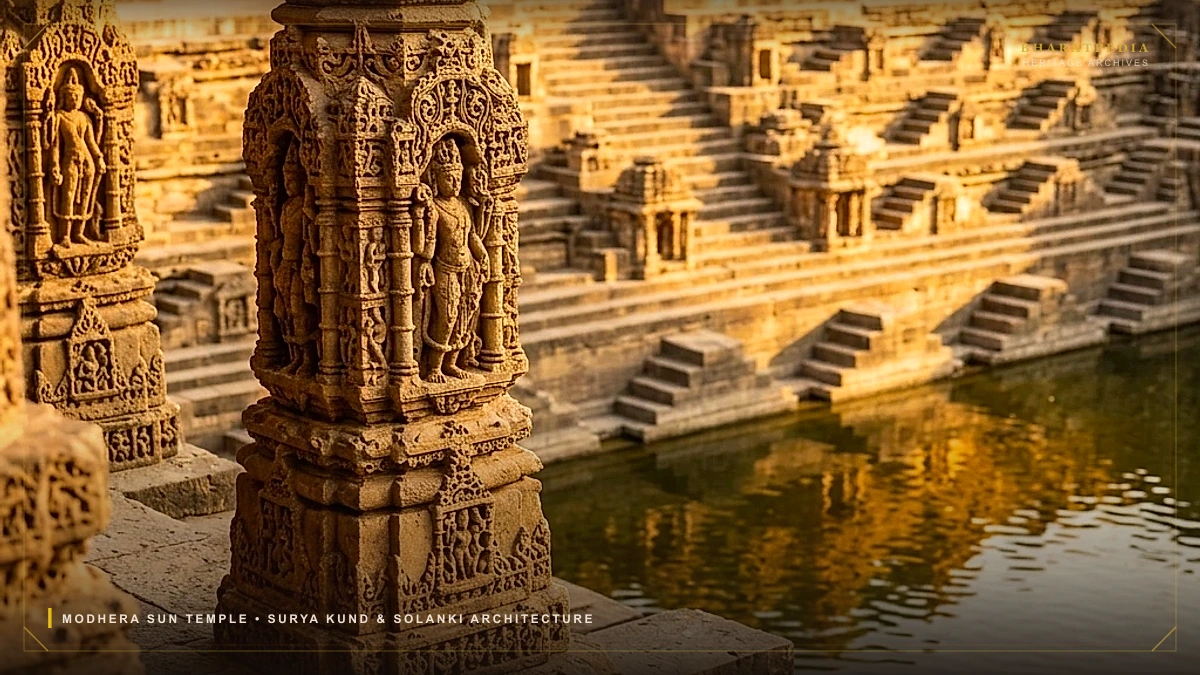
Modhera Sun Temple: Solanki Architectural Geometry & Solar Equinox Alignment
Temples & Architecture🛡️ ASI Protected Monument
⏳ 1026 – 1027 CE (Solanki Dynasty)

Modhera Sun Temple: Solanki Architectural Geometry & Solar Equinox Alignment

The sacred geometry of the Sun Temple at Modhera: King Bhima I's Maru-Gurjara masterpiece, the 52 carved pillars of the Sabha Mandapa, the stepped Surya Kunda tank, and the optical equinox alignment where rising sunbeams illuminate the sanctum.

📚 GS-1: Art & Culture📚 GS-1: Maru-Gurjara Architecture
⏱️ 11 min readExplore Guide →
🏛️

Built for Scholars, Aspirants & True Heritage Seekers

Unlike generic travel blogs, BharatPedia articles correlate primary epigraphical evidence (Ashokan Edicts, Chola Copper Plates, Allahabad Prasasti) with architectural geometry and the official UPSC Civil Services GS-1 syllabus.

Our Epigraphical StandardsThe Editorial Council